

Why ROK SPAS Uses Traditional Sauna Over Infrared: Clinical Research

Sauna has received a lot of hype lately. Sauna facilities are popping up left and right, with many offering infrared sauna. If you’re going to spend your time in a sauna, it’s important to know which type you’re using and what the clinical evidence actually says. The case for traditional dry sauna benefits is built on more than 4,000 years of practice and over 500 modern clinical studies—and that’s why ROK SPAS in Denver only uses traditional dry sauna.
There are two main types of sauna. Traditional dry Finnish sauna emerged in Scandinavian culture and is also prevalent in many other ancient cultures. It involves a wooden room with a heater (wood-fired or electric) generating high heat—typically 170 to 200°F with relatively low humidity (5 to 20%). Infrared sauna is a much newer development originating in Japan. It uses a cabin housing ceramic panels that emit infrared light to heat the body from the inside out, operating at a lower temperature range of 110 to 140°F.
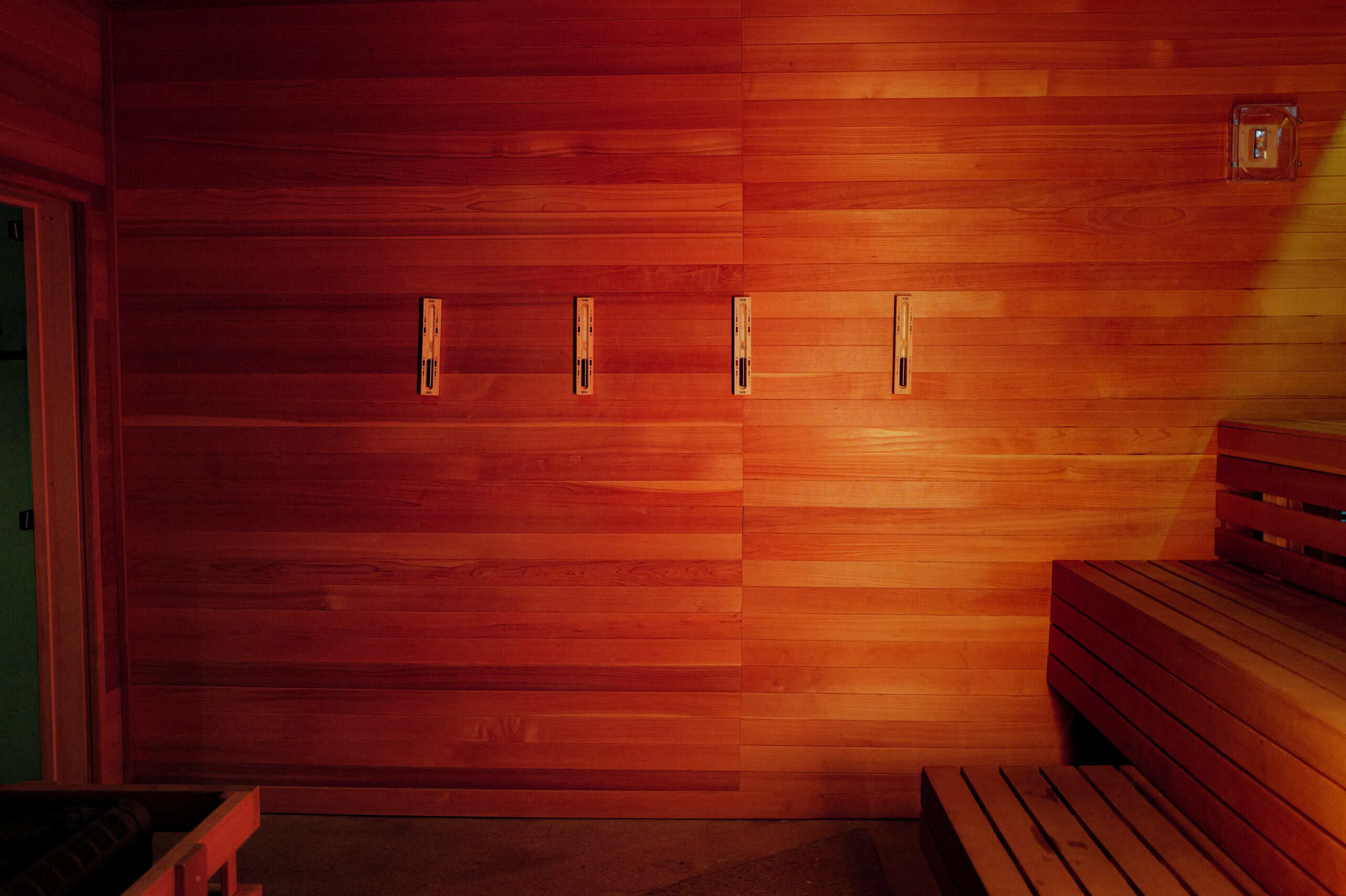
Why ROK SPAS Uses Traditional Dry Sauna in Denver
We’re big believers in following the clinical data. Because traditional sauna has been around for over 4,000 years, there’s a remarkably robust body of research behind it. Over 500 clinical studies consistently show a wide array of health benefits that are additive to diet and exercise. The most prominent and widely cited study on sauna usage is the long-term observational work from the University of Eastern Finland—often referred to as Laukkanen et al. (2015), published in JAMA Internal Medicine. It followed over 2,300 middle-aged men for roughly 20 years and found a significant reduction in cardiovascular death and all-cause mortality with regular sauna use.
Key Findings from the Largest Sauna Study
Laukkanen et al. (2015) remains the most-cited research on the cardiovascular benefits of traditional sauna. The headline numbers:
- Study size: 2,315 Finnish men aged 42–60.
- Duration: ~20 years of follow-up.
- Frequency findings (vs. 1×/week): 2–3 times/week was associated with a 24% lower risk of sudden cardiac death; 4–7 times/week was associated with a 40–50% lower risk of cardiovascular death and 40% lower all-cause mortality.
- Duration findings: Sessions of 19+ minutes were associated with a 52% lower risk of cardiac death compared to sessions under 11 minutes.
For more on this study, see the Global Wellness Institute summary.

Other Major Studies on Traditional Sauna
- Dementia and Alzheimer’s: A related study by Laukkanen et al. (2017) found that 4–7 sessions per week were linked to a 65% lower risk of Alzheimer’s and dementia.
- Stroke risk: A 2018 study of 1,628 people followed for 15 years showed 4–7 sessions per week reduced stroke risk by 62%.
The Bottom Line on Traditional vs Infrared
These robust studies only crack the surface of the over 500 clinical studies and the broad array of benefits traditional sauna brings. Infrared sauna has its place. But when we’re thinking about something we will do for hours each week for the rest of our life, we rely on the deep, well-validated evidence base of traditional sauna to guide our practices. Most importantly: traditional dry sauna feels great, especially after a hard day in Denver.
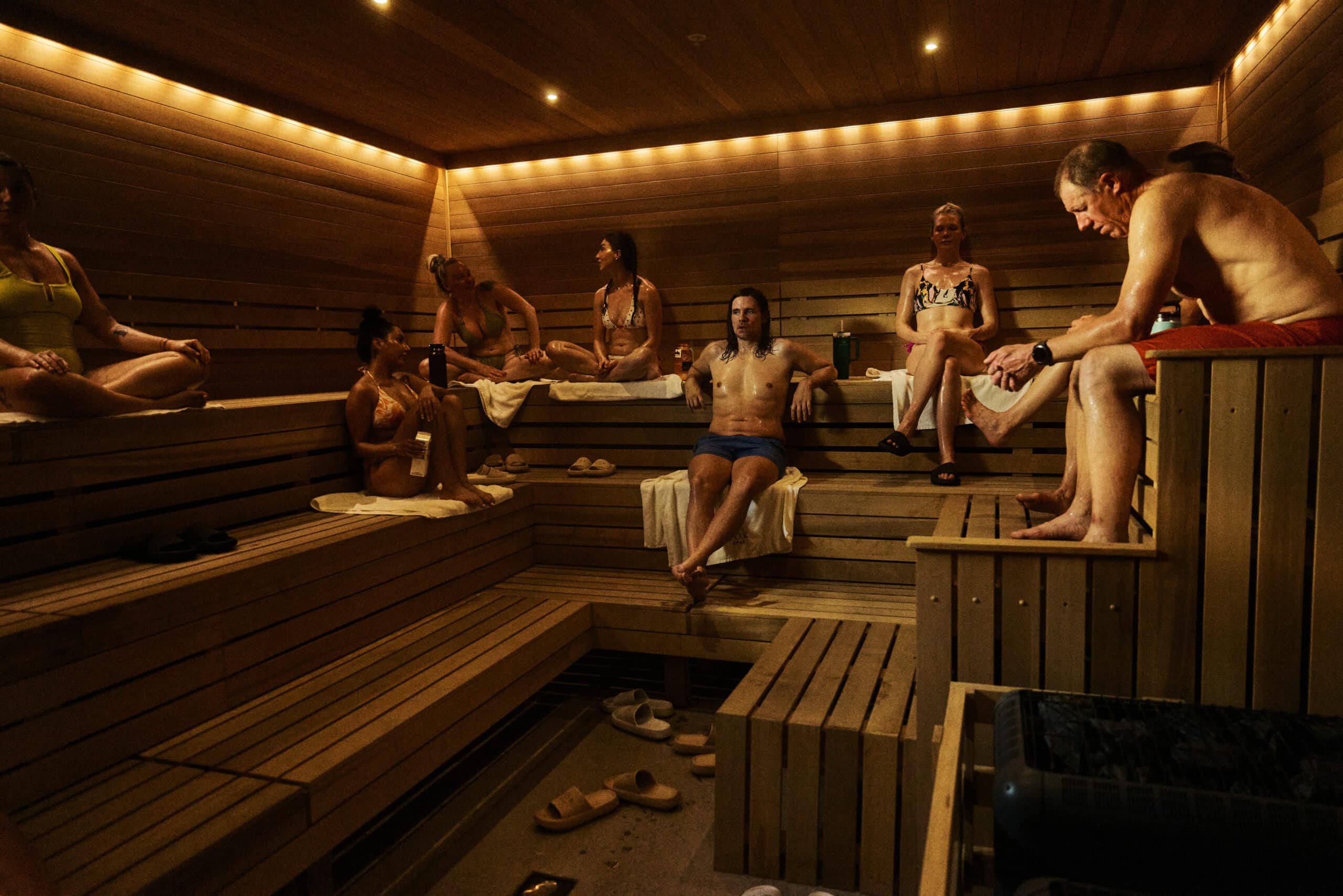
Experience Traditional Dry Sauna in Denver
If you want to feel the difference for yourself, our Nordic sauna in Denver is built to deliver the clinical-grade heat profile this research is based on. Book a session or explore membership and start collecting the compounding benefits of consistent traditional sauna practice.